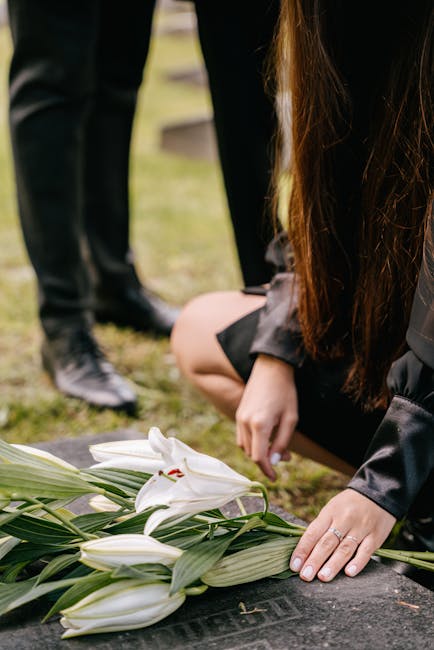
Posted on 16/09/2026
Where to Clear Post-Funeral Flowers in Putney
After a funeral, flowers can feel strangely heavy in the room. One moment they are a beautiful tribute; the next, you are left wondering what to do with them. If you are searching for where to clear post-funeral flowers in Putney, you are likely balancing respect, practicality, and maybe a bit of emotional exhaustion too. That is completely normal.
This guide explains the best ways to clear funeral flowers in Putney, how to handle them respectfully, what to do with arrangements, wreaths, sprays, and tribute letters, and how to make the process easier for family members, venues, and florists. You will also find a checklist, comparison table, and practical local tips so you can decide what makes sense for your situation. Truth be told, there is no single perfect method for everyone - but there is usually a calm, sensible one.
Table of Contents
- Why clearing post-funeral flowers in Putney matters
- How clearing post-funeral flowers in Putney works
- Key benefits and practical advantages
- Who this is for and when it makes sense
- Step-by-step guidance
- Expert tips for better results
- Common mistakes to avoid
- Tools, resources and recommendations
- Law, compliance, standards, or best practice
- Options, methods, or comparison table
- Case study or real-world example
- Practical checklist
- Conclusion
- Frequently asked questions
Why Where to clear post-funeral flowers in Putney Matters
Clearing funeral flowers is not just about tidying up. It is part of closing the circle after a farewell. The flowers may have been sent with care from relatives, neighbours, colleagues, or friends, and many families want to handle them in a way that still feels dignified.
In Putney, this often means thinking about a few practical realities at once: where the service took place, whether flowers were brought back to a home or left at a venue, how long they have been sitting in water, and whether any of the arrangements can be divided up or reused. Once flowers start to wilt, the process becomes less about display and more about timing. And, let's face it, no one wants to be figuring out stems, buckets, and bin bags while they are already emotionally drained.
The location matters too. A small flat, a busy shared home, a funeral venue, or a church hall all create different challenges. If you know the most sensible place to clear them from the start, you can avoid awkward delays and reduce the chance of damage, odour, or mess.
There is also a respectful side to this. Funeral flowers often carry names, cards, ribbons, or tribute wording that family members may want to keep. A careful sort first, a clean-up second. That order helps.
How Where to clear post-funeral flowers in Putney Works
The process is usually simpler than people expect. In most cases, clearing post-funeral flowers in Putney means deciding whether the flowers should be:
- kept for remembrance
- shared among family or friends
- taken to a home, care setting, or memorial place
- composted or placed in green waste
- disposed of with general waste if they are no longer suitable for reuse
The practical answer depends on the type of arrangement. Loose bouquets are easiest. Sprays, wreaths, casket tributes, and letter tributes can take more time because of floral foam, wire frames, ribbon, or mixed materials. A tribute from a florist may also include presentation features that need separating before disposal. Small details, yes, but they matter.
Usually the best approach is to sort the flowers into three groups: what to keep, what to give away, and what to clear. You will notice that this cuts down on indecision. One wreath may stay on a mantelpiece for a few days, while a couple of hand-tied bouquets are passed to neighbours or relatives. The rest can then be cleared in one go.
If the flowers came from a professional florist, there may be guidance in the care note about vase life, water changes, or how to strip stems. Our flower care guidance is useful if you want to extend the life of arrangements before you decide what to do with them. A little extra care can buy you time, which is often all you need.
Key Benefits and Practical Advantages
Clearing post-funeral flowers properly has a few clear advantages, and most of them are practical rather than dramatic.
- It reduces stress. One decision taken early means one less thing hanging around in the background.
- It keeps the space calm and tidy. Wilted flowers, muddy water, and sagging ribbons can quickly make a room feel cluttered.
- It protects keepsakes. Cards, ribbons, and tribute names can be saved before anything gets thrown away by mistake.
- It supports reuse. Some stems can be rearranged into smaller posies or shared with close family members.
- It helps with hygiene. Once flowers decay, water can smell and vases can become messy, especially in warmer rooms.
- It makes the final clean-up easier. If there are funeral baskets, foam bases, or tribute frames, sorting them in stages is far easier than doing everything at once.
There is something quite reassuring about getting a plan in place. Even a simple one. You do not need a grand ceremony for the flowers themselves. You just need a respectful, workable method that suits the family and the setting.
Practical summary: the best way to clear funeral flowers in Putney is to sort keepsakes first, separate reusable blooms second, and dispose of spent flowers and packaging last. Simple, calm, respectful.
Who This Is For and When It Makes Sense
This guidance is for anyone who has been left with funeral flowers after a service, wake, memorial gathering, or family visit. That might be:
- a close family member organising the home afterwards
- a friend helping to clear a venue
- a church, hall, or venue coordinator
- a caregiver or executor handling practical arrangements
- someone who simply wants to know the most respectful way to manage the flowers
It makes sense to think about clearing flowers when they begin to wilt, when the venue needs to be reset, or when family members have already taken the arrangements they want to keep. Some families prefer to leave flowers in place for a day or two. Others want them cleared the same afternoon. Both approaches can be reasonable.
If the flowers are in a home in Putney, timing often depends on space. A small living room can become crowded very quickly, and once the stems begin to drop petals onto the floor, the room feels different. More practical, less peaceful. If the flowers are at a funeral director, church, or function venue, the venue may have its own process for collection or disposal, so it is worth asking before assuming anything.
Put simply: if the flowers are no longer needed for display, memory, or sharing, it is time to plan the clear-out. No need to overthink it.
Step-by-Step Guidance
- Check what should be kept. Look for cards, printed tributes, ribbons, photo inserts, or messages pinned to the arrangement. Set these aside immediately.
- Separate the flowers by type. Hand-tied bouquets, sprays, wreaths, baskets, and letter tributes may need different handling.
- Ask whether anyone wants flowers to take home. Grandchildren, close friends, neighbours, or members of the household may welcome a small bunch or single stems.
- Remove water carefully. Tip vase water away slowly to avoid spills. If the arrangement has been standing for a while, the water may be murky. Not pleasant, but manageable.
- Strip stems if you plan to reuse them. Remove leaves that would sit below the waterline in a new vase. Fresh water helps, obviously, but clean stems help too.
- Decide on disposal method. Compost, green waste, or general waste may be suitable depending on what materials are attached.
- Break down packaging and support materials. Ribbon, cellophane, floral foam, wire frames, plastic sleeves, and tape should usually be separated where possible.
- Clean the area. Wipe surfaces, refresh vases, and check for fallen petals. In a quiet room, even a few petals can make things look unfinished.
- Store keepsakes safely. Cards and tribute notes can go in a box or envelope until the family is ready to read them properly.
If you are dealing with several arrangements, do not try to do everything in one stretch. A short pause helps. Tea helps too. Honestly, half the job is just not rushing.
Expert Tips for Better Results
Here are the small things that make a big difference when clearing funeral flowers in Putney.
1. Sort before you carry anything outside
It is tempting to grab the lot and dump it later, but that is how tribute cards, ribbons, and little keepsakes get lost. Do the sorting indoors first, while the messages are still visible.
2. Keep one "memory bundle" aside
If several people want something to remember the day by, save a few stems, a ribbon, and the main card in one bundle. It stops everything becoming scattered across the house.
3. Be careful with floral foam
Many tribute arrangements use floral foam to hold stems in place. It can be crumbly and messy when dry. Handle it gently and do not assume it can be composted in the same way as natural stems.
4. Don't force every bloom to be saved
Some flowers will still look lovely in a smaller vase. Others will not. There is no prize for squeezing every last petal into another arrangement.
5. Think about fragrance and heat
Warm rooms shorten vase life fast. If the service happened on a mild afternoon or the heating is on in the house, clear the flowers sooner rather than later. You will smell the difference. Slightly harsh, but true.
6. Consider sharing blooms thoughtfully
Bringing a few stems to an elderly relative, neighbour, or friend who attended the funeral can be a gentle gesture. It is a small kindness, but sometimes that is exactly what people need.
7. Use florist help for complex tributes
If there are large wreaths, letter tributes, or custom pieces, a florist can often advise on safe dismantling or alternative use. For families who prefer a ready-made tribute arrangement, options such as funeral flowers in Putney can also help when planning both the tribute and the practical aftermath.
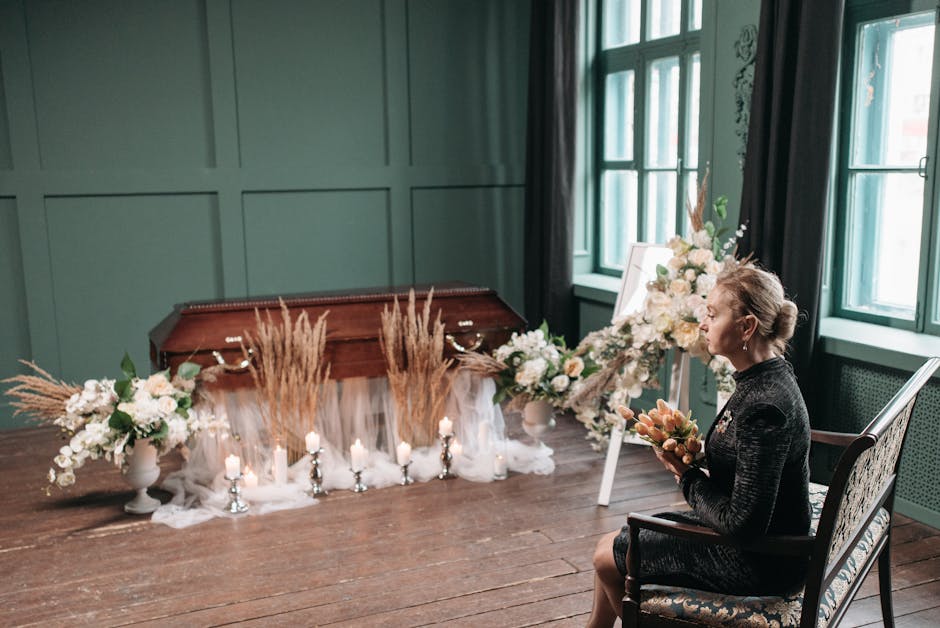
Common Mistakes to Avoid
Most of the problems here are avoidable. They just happen when people are tired, emotional, or trying to be efficient. That combination is not ideal, to be fair.
- Throwing away cards too quickly. Always check the stems and ribbon attachments first.
- Leaving arrangements too long in water. Once the water turns and petals start dropping, the whole job gets harder.
- Mixing everything together. Keep tribute letters, wreath frames, and loose flowers separate.
- Ignoring venue instructions. Some places have specific collection or disposal expectations.
- Using the wrong waste stream for mixed materials. Plastic wrapping and floral foam may need different handling from organic stems.
- Forgetting to ask family members. A small bunch may mean a lot to someone else.
- Trying to preserve everything. A few meaningful pieces are often better than a cluttered room full of half-fresh flowers.
Another easy mistake is assuming every arrangement should be treated the same. It really does not work like that. A hand-tied bouquet from a neighbour and a formal casket spray are emotionally and physically different things. Handle them differently.
Tools, Resources and Recommendations
You do not need special equipment, but a few simple tools make clearing funeral flowers far easier:
- sharp scissors or floral snips
- clean buckets or washing-up bowls
- gloves, especially for messy stems or foam
- bin bags for non-reusable waste
- paper towels or cloths for spill clean-up
- labels or envelopes for cards and tribute notes
- a large flat surface such as a dining table or kitchen counter for sorting
If you are planning to keep some flowers for a few extra days, it can help to refer to the florist's care notes and the general flower care page so the blooms last as long as possible before clearing. For families sending additional flowers after the service, the broader flower delivery in Putney service can be useful when you want a separate arrangement for a memorial, thank-you gesture, or later remembrance.
Sometimes the simplest recommendation is the best one: keep a designated box for all funeral-related cards and papers. It avoids the "where did we put that message?" moment later on. Which, frankly, tends to happen at the worst possible time.
Law, Compliance, Standards, or Best Practice
There is usually no complex legal process involved in clearing post-funeral flowers for a private household. Even so, a few best-practice points are worth keeping in mind.
First, if you are disposing of flowers at a venue, follow the venue's instructions. Churches, crematoriums, funeral homes, and halls may have their own preferences for waste, collections, and timing. That is especially sensible where space is shared with other families or events.
Second, if the flowers contain mixed materials, think carefully before placing everything into a general waste bag. Natural stems, wire, foam, cardboard, plastic wrap, and ribbon may need separating where practical. The cleaner the sorting, the easier disposal becomes.
Third, if arrangements were delivered to a property, be mindful of building rules in flats or managed blocks. Common areas should be kept clear, and any waste should be taken away promptly. A corridor full of drying wreath packaging is not ideal for anyone.
Finally, if you are unsure whether floral foam, wires, or tied tributes can go into a particular waste stream, a cautious approach is best. The exact rules can vary by local service and property set-up, so it is sensible to check rather than assume.
Options, Methods, or Comparison Table
People usually choose one of four main approaches. The right one depends on time, emotion, space, and whether the flowers are still in decent condition.
| Method | Best for | Pros | Considerations |
|---|---|---|---|
| Keep and reuse | Fresh bouquets and meaningful stems | Extends the tribute, easy to share | Needs clean vases and prompt sorting |
| Share with family or friends | Smaller arrangements and loose flowers | Gentle, personal, often appreciated | Requires a little coordination |
| Compost or green waste | Natural stems without heavy mixed materials | Environmentally sensible where suitable | Foam, wire, and plastic may need removal first |
| General waste disposal | Spent flowers or mixed tribute materials | Fast and practical | Best used only when reuse or composting is not realistic |
For some families, the best answer is a mixture of methods. A wreath may stay in the home for a few days, a bouquet may be divided between relatives, and the rest may be cleared together. That balance often feels right.
Case Study or Real-World Example
Here is a very typical Putney scenario. A family has returned home after a service, and the hallway now has two large bouquets, one wreath, and a funeral card tied to a spray. By the next morning, the kitchen smells faintly sweet and watery at the same time - the sort of smell you only notice once the heat has been on for an hour.
Instead of trying to deal with everything in one sweep, they take a simple approach. First, they remove the cards and put them in an envelope. Then they choose a few stems to place in two smaller vases: one for the front room, one for a neighbour who attended the service. The wreath is left for one more evening on the mantelpiece. The next day, the remaining flowers are stripped into a bucket, the ribbons are saved, and the rest is bagged and taken out.
Nothing dramatic. Nothing fancy. But it worked because the family made decisions in the right order and did not wait until everything was sagging. That, more than anything, is the trick.
In our experience, the calmest clean-ups are the ones with a small plan and a little breathing room. Not perfect. Just organised enough.
Practical Checklist
- Check whether any flowers, ribbons, or cards should be kept.
- Ask family members if they want a bouquet or a few stems.
- Separate hand-tied flowers from wreaths, sprays, and tribute pieces.
- Remove notes, tags, and keepsakes before disposal.
- Tip away vase water carefully.
- Save reusable containers if they still have a purpose.
- Remove packaging, tape, wire, and foam where practical.
- Decide whether the remaining flowers can be composted or need general waste disposal.
- Wipe down the area and refresh any vases you are keeping.
- Store tribute cards in a safe place for later.
If you can tick those boxes, you are usually in a good place. That is really all most people need.
Conclusion
If you have been wondering where to clear post-funeral flowers in Putney, the answer is usually a mix of respect and practicality. Keep what matters, share what can still bring comfort, and clear the rest in a way that suits the home, venue, and family.
The main thing is not to rush past the meaningful bits. A card, a ribbon, a few saved stems - those small details often matter more than the grand arrangement itself. After that, the practical clean-up becomes much easier, and the space can settle again.
If you need fresh flowers for remembrance, sympathy, or a later tribute, it helps to choose a florist that understands the balance between care and convenience. You can also explore options such as Putney florist delivery and sympathy flowers when planning a thoughtful next step.
Get a free quote today and see how much you can save.
When the flowers are gone, the memory stays. That part does not need clearing at all.
Frequently Asked Questions
Where should post-funeral flowers be cleared in Putney?
Usually they are cleared from the home, funeral venue, church, or memorial space where they were displayed. The best place depends on who is responsible for the arrangements and whether the flowers are being kept, shared, or disposed of.
Can I throw funeral flowers in the bin?
Yes, if they are no longer suitable for reuse and cannot be composted or placed in green waste. Before you do, check for cards, ribbons, and other keepsakes that should be removed first.
Can funeral flowers be composted?
Often they can, if they are mainly natural stems and foliage. Mixed materials like floral foam, wire, plastic wrap, and tape usually need separating first.
How long should I leave funeral flowers up after the service?
There is no fixed rule. Some families keep them for a day or two, while others clear them the same day. The right timing depends on the setting, the condition of the flowers, and what feels respectful.
What should I do with funeral cards and messages?
Set them aside before disposing of the flowers. Many families keep them in a box or envelope so they can be read later, when things feel less hectic.
Can I share funeral flowers with family and neighbours?
Yes, and it is often a lovely gesture. Smaller bunches or individual stems can be given to close relatives, neighbours, or friends who would appreciate a reminder of the day.
What about large wreaths or tribute letters?
These often contain foam, wire, or framing materials, so they may need to be dismantled carefully. Keep any attached messages or name cards before breaking the piece down.
Is there a respectful way to clear flowers from a funeral home or church?
Yes. Follow the venue's guidance, remove keepsakes first, and clear the flowers promptly once they are no longer required. A calm, tidy handover is usually appreciated.
Do florists help with post-funeral flower clear-up?
Some florists can advise on how to dismantle arrangements or how best to keep the blooms fresh for longer. They may also help if you need fresh sympathy flowers afterwards.
What is the easiest way to decide what to keep and what to clear?
Start with the items that carry names, messages, or sentimental meaning. Then decide whether any flowers are still fresh enough to reuse. What is left after that is usually straightforward to clear.
Can I reuse funeral flowers in new arrangements?
Yes, if the blooms are still in good condition. Strip away any tired leaves, refresh the water, and move the best stems into smaller vases or bunches.
What if I feel too overwhelmed to sort the flowers right away?
That happens more often than people admit. If possible, store them safely in water and return to them later the same day or the next morning. A short delay can make the task feel much more manageable.