Planning large event flowers for Putney venues -- logistics
Posted on 01/06/2026
Large event flowers can transform a Putney venue from "nice enough" to genuinely memorable, but the difference between beautiful and brilliant usually comes down to logistics. If you are organising a wedding, corporate dinner, charity reception, memorial gathering, or a big birthday celebration, you already know the floral brief is only half the story. The other half is getting every arrangement into the right room, at the right time, in the right condition, without disrupting guests, staff, or the venue schedule.
That is especially true in Putney, where venues can vary a lot in access, loading space, lifts, stairways, parking, and timing rules. In practice, planning large event flowers for Putney venues -- logistics means thinking like a producer as much as a florist. You are coordinating product, transport, venue rules, set-up windows, and breakdown plans. Get that right and the flowers look effortless. Get it wrong and, well, everybody notices the door that was too narrow or the delivery that arrived ten minutes after the registrar. Not ideal.
This guide walks through the moving parts clearly: what to ask venues, how to build a workable flower schedule, how to reduce risk, and how to choose designs that travel well. You will also find a checklist, a practical comparison table, and a few realistic examples from the kind of event planning that tends to happen in real life, not just on a mood board.
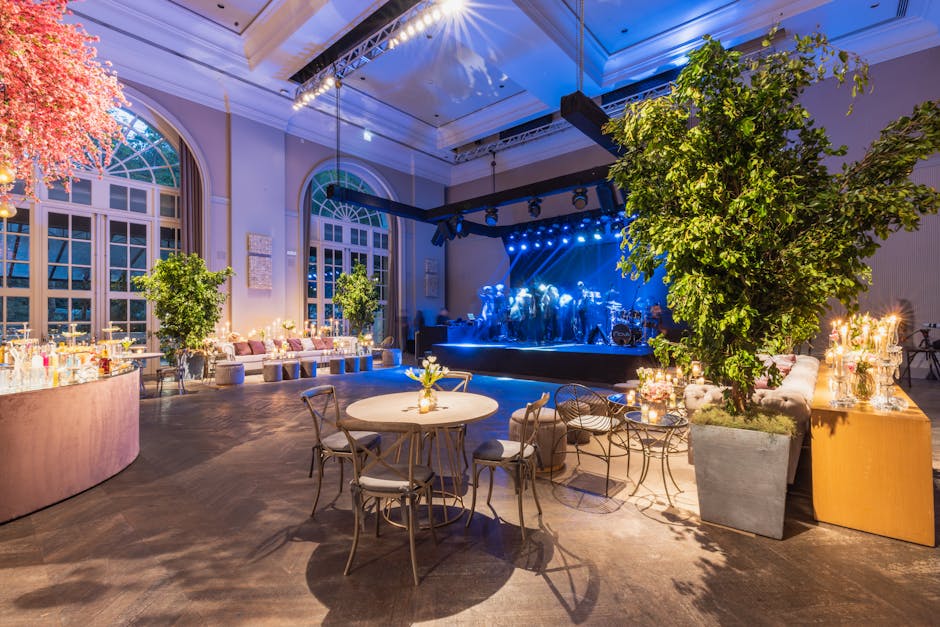
Table of Contents
- Why Planning large event flowers for Putney venues -- logistics Matters
- How Planning large event flowers for Putney venues -- logistics Works
- Key Benefits and Practical Advantages
- Who This Is For and When It Makes Sense
- Step-by-Step Guidance
- Expert Tips for Better Results
- Common Mistakes to Avoid
- Tools, Resources and Recommendations
- Law, Compliance, Standards, or Best Practice
- Options, Methods, or Comparison Table
- Case Study or Real-World Example
- Practical Checklist
- Conclusion
- Frequently Asked Questions
Why Planning large event flowers for Putney venues -- logistics Matters
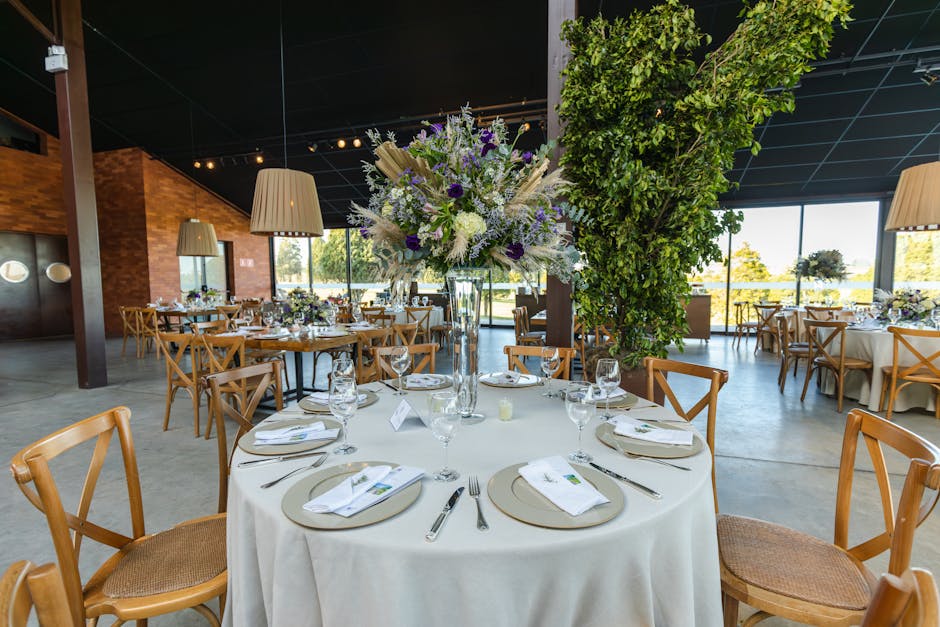
Flowers for a large event do much more than decorate tables. They shape first impressions, help define the tone of the room, and guide how people move through a venue. At scale, though, they also become a logistical project. Do you have enough time to install them? Is there a service lift, or are you carrying tall urns up three flights of stairs? Can the venue store buckets overnight? Will other suppliers be on-site at the same time? These questions matter because flowers are time-sensitive, fragile, and usually part of a much tighter schedule than people expect.
Putney venues are often busy, characterful spaces with their own quirks. Some have generous set-up windows but limited loading access. Some are elegant and central but require strict arrival times. Others may be perfect for photos yet awkward for van deliveries. None of that is a problem if you plan early. It only becomes a problem when flowers, transport, and venue timings are treated as separate jobs.
Good logistics also protects the creative side. A floral design that looks spectacular in a studio can flop if it is too tall for the doorway, too heavy for the stand, or too delicate for a warm room. Planning ahead lets you choose arrangements that suit the venue's layout, lighting, and traffic flow. That is the real trick: design with the venue in mind, not after it.
If your event includes guests arriving at different times, speeches, photography, or a formal seated meal, the florals need to support the sequence of the day. A well-timed floral entrance can be quietly stunning. A poorly timed delivery can be... noisy. And nobody wants to hear crate lids during canape service.
How Planning large event flowers for Putney venues -- logistics Works
The logistics process usually starts with the venue, not the flowers. Before any design is finalised, the florist should understand the venue layout, delivery access, and installation window. Then the floral plan is built around those constraints. In a big event, the floral brief is really a moving target: it must suit the aesthetic, the guest numbers, the schedule, and the building itself.
A practical workflow typically looks like this:
- Venue assessment: confirm access points, parking options, staircases, lifts, and load-in instructions.
- Event timing: map the delivery window against the venue hire period, supplier arrival times, and guest arrival.
- Floral sizing: match table plans, stage space, ceremony areas, and reception flow to the number and scale of arrangements.
- Transport planning: decide which items travel assembled, which travel in components, and what needs water en route.
- On-site installation: place florals in the correct order, usually from background pieces to focal arrangements.
- Final checks: confirm sightlines, safety, and whether anything needs a last-minute tweak.
For larger jobs, it often helps to split flowers into categories. The most efficient teams treat them differently: reception centrepieces, ceremony features, welcome pieces, statement installations, and wearable florals such as corsages or buttonholes. Each category has different handling needs. A wedding flowers Putney brief, for example, may involve multiple floral types arriving in stages, while a gala dinner might need one coordinated installation window and then room styling in waves.
Design choice is part of logistics too. A tall arrangement may suit a dramatic entrance but cause problems on buffet tables. Smaller, lower arrangements may be safer for long banqueting tables and easier to move. That sounds simple, but it is the kind of thing that decides whether set-up takes forty-five minutes or four hours.
Key Benefits and Practical Advantages
When logistics are planned properly, the floral side of an event becomes calmer, cleaner, and far more consistent. You are not just buying flowers; you are buying predictability. And honestly, predictability is underrated on event day.
- Better presentation: flowers arrive fresh and are installed before guests notice anything missing.
- Lower stress: venue staff, florists, and event organisers know who is doing what, and when.
- Less waste: careful timing reduces heat damage, bruising, and unnecessary duplicate stock.
- Safer set-up: properly planned routes and load-ins reduce clutter in public areas.
- More accurate design: the arrangements you approve are the arrangements that actually work in the room.
There is another benefit that people miss: better logistics protect the guest experience. A room that smells fresh and looks balanced feels thoughtful. Guests may not remember the exact variety of bloom, but they will remember whether the space felt polished and easy to move through. That matters in Putney venues where reception spaces can shift from drinks to dining to dancing without much downtime.
If budget is a concern, smart logistics can also help you spend better. For instance, you may choose fewer but stronger focal pieces, or use statement blooms in the key view lines and simpler supporting florals elsewhere. A cheap flowers Putney approach does not have to look cheap at all; it just needs disciplined placement and sensible design choices.
Who This Is For and When It Makes Sense
This kind of planning is useful for anyone organising flowers at scale, but it is especially important for people who are juggling multiple suppliers or a venue with limited space. If any of the following sound familiar, you are in the right place:
- You are planning a wedding with ceremony flowers, table flowers, and a reception installation.
- You are handling a corporate event with branded florals, stage decor, or VIP tables.
- You are arranging flowers for a large birthday, anniversary, or retirement celebration.
- You need sympathy or memorial flowers placed respectfully and on a fixed timeline.
- You are working with a venue that has tight access or only a short set-up window.
It also makes sense if you are ordering flowers at short notice. In those cases, the logistical margin is smaller, so product choice and delivery timing matter even more. If your event is tomorrow, you are not designing in the abstract anymore; you are solving a timing puzzle. For urgent needs, a same day flower delivery in Putney can be a useful safety net, while next day flower delivery in Putney may give you just enough breathing room to keep the plan tidy.
Truth be told, even experienced organisers use this framework because it stops the day from becoming reactive. If you have ever seen one supplier waiting for another, while someone else is asking where the table plan went, you already know why this matters.
Step-by-Step Guidance
Here is a practical way to plan large event flowers for a Putney venue without losing the thread halfway through.
- Start with the venue map. Ask for the floor plan, access instructions, and any restrictions on vans, trollies, or lift use. If the venue does not have a formal plan, create one from the site visit notes.
- List every floral touchpoint. Ceremony entrance, aisle, table centres, welcome sign, bar area, cake table, stage, statement arch, guest book table, and any memorial or tribute area.
- Rank the priorities. Some florals are essential; others are decorative extras. Decide where the budget has to work hardest.
- Choose designs by function. Tall arrangements suit entrances and focal points; lower arrangements suit dining tables and tight spaces. Wearable flowers need different conditioning.
- Confirm delivery sequencing. Ask what arrives first, what can be assembled off-site, and what must be installed on location.
- Build in buffer time. London traffic happens. A load-in that should take ten minutes may take twenty. Maybe thirty. Plan accordingly.
- Make the breakdown plan now. Know who is removing flowers, collecting vases, and checking whether anything stays with the venue.
That last point is often forgotten. The event ends, music stops, guests head home, and then someone asks: "Who is taking the flowers?" A quick answer in advance saves a late-night scramble and a few awkward phone calls. Nobody wants that at 11:40 p.m., let's face it.
For wedding-specific planning, you may want to align the bridal bouquet, bridesmaid flowers, buttonholes, and table arrangements as a single visual family. A coordinated set such as SI Wedding Collection or True Happiness Wedding Collection can help keep the look coherent across all touchpoints.
Expert Tips for Better Results
Most large event floral problems are avoidable once you know what to watch for. These are the small things that make a big difference.
- Keep the brief visual. Mood boards are helpful, but include a floor plan or table layout too. A pretty image is not a placement plan.
- Use the venue's strongest sightlines. Place the most impressive arrangements where people naturally look first: entrances, top tables, reception desks, and photo backdrops.
- Think about scent. Heavily scented lilies or strongly perfumed arrangements can be beautiful, but in a compact room they may overpower food or fragrance-sensitive guests.
- Match stems to the season. Seasonal choice is usually more reliable, and it can reduce the risk of wilt in warmer rooms.
- Choose transport-friendly mechanics. Water tubes, secure boxes, and stable bases matter more than people think.
- Ask about venue staff support. Sometimes a venue team can help move tables or hold deliveries, but do not assume it. Ask.
One thing I always recommend: photograph the installation route before the event, not just the flowers. You will notice small bottlenecks straight away, like a narrow corridor, a polished floor that needs extra care, or a door swing that makes turning awkward. It is a tiny habit, but it saves real time.
If the event is corporate, the visual direction tends to work best when kept polished and restrained rather than overcomplicated. A room can still feel luxurious without being crowded. For teams planning repeat events, a corporate accounts arrangement can also make recurring floral logistics more manageable across the year.
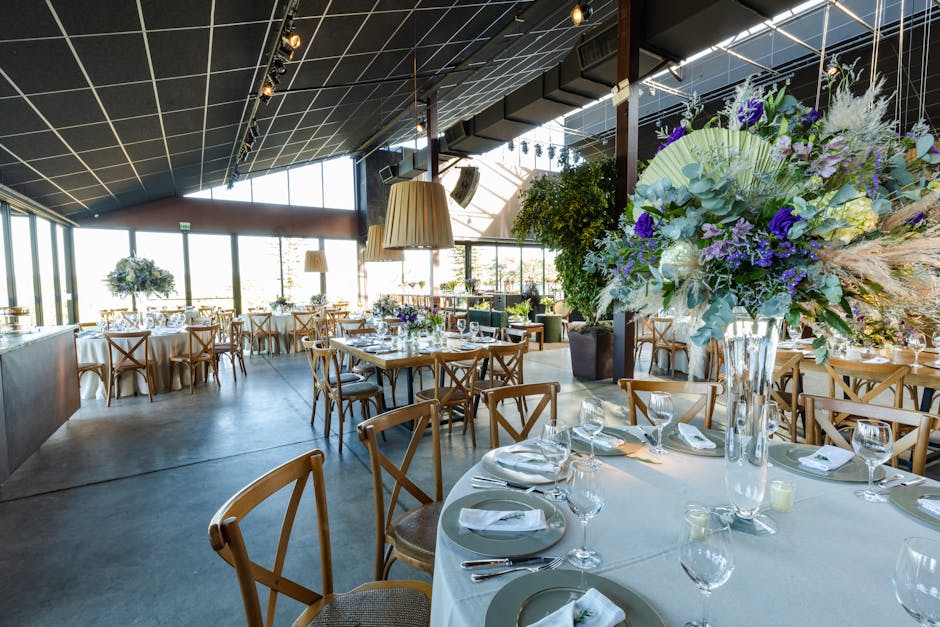
Common Mistakes to Avoid
Here is where large event flower planning often goes off-track. Most of these are simple, but simple is where the trouble starts.
- Leaving venue questions too late. If you do not ask about access, you cannot design around it.
- Ordering arrangements before the room plan is final. Large tables, stage placements, and ceremony routes can all change the flower count.
- Ignoring install time. A room full of flowers does not appear instantly, even when everyone is working hard.
- Choosing designs that are too tall or too wide. They may look dramatic in photos but block sightlines or disrupt service.
- Forgetting the breakdown. Collecting vases, foam, stands, and packaging after the event is part of the job.
- Overfilling every surface. A little negative space often looks more elegant and makes navigation easier.
A quieter mistake is under-communicating with the venue. If the florist, organiser, and venue manager all have slightly different ideas about the set-up window, the day can become messy very quickly. One person thinks doors open at 2 p.m., another thinks 2:30 p.m., and flowers are left waiting in the rain. Not the vibe.
Another common issue is using mixed delivery types without a clear plan. If you need a bouquet or a set of smaller pieces delivered separately from the main installation, make sure the timing is still coherent. For example, a flower delivery in Putney may work well for supporting items, while the larger installation arrives via the main event setup route.
Tools, Resources and Recommendations
You do not need fancy software to organise event flowers well, but a few simple tools help a lot. A shared document, floor plan, and run sheet are often enough. If you are comfortable with spreadsheets, create one for delivery windows, item counts, and contact numbers. It sounds a bit dull. It is not. It is the thing that keeps the day moving.
Useful resources to prepare before the event include:
- Venue access notes: parking, delivery bay, lift access, and any time restrictions.
- Table plan: especially if you are styling multiple guest tables with different centrepieces.
- Supplier run sheet: florist arrival, venue handover, photographer arrival, and meal service times.
- Flower care notes: watering, temperature, and any flowers that need extra handling.
- Backup contact list: the main organiser, venue manager, florist, and on-site lead.
In terms of product choice, a few ranges are particularly practical for larger events because they work across many themes and can be scaled up or down. If you want easy colour control, consider simple palette pages such as white, pink, purple, red, yellow, or mixed colours. That helps when the room is already doing a lot visually and you want the flowers to support, not fight, the decor.
If you are choosing stems by function, some flowers travel and condition more predictably than others. Classic event favourites include roses, lilies, carnations, alstroemeria, chrysanthemums, germini, and hydrangeas, with each having its own quirks. Hydrangeas, for instance, can be show-stopping but need good hydration and careful handling. That is not a flaw; it is just part of the game.
Law, Compliance, Standards, or Best Practice
For most floral events, the key compliance issues are practical rather than legalistic. That said, good practice matters. Venues in Putney may have their own health and safety rules, delivery restrictions, fire exit requirements, and insurance expectations, so it is sensible to confirm those early. If you are using large structures, tall stands, or anything that could affect guest movement, the venue should know in advance.
Some useful best-practice points include:
- Keep exits and walkways clear. Florals should enhance the space, not obstruct it.
- Secure heavy installations properly. Stability matters, especially in busy reception areas.
- Check venue rules on candles, water, and adhesives. Some spaces are stricter than others.
- Use sensible handling procedures. Florists should be able to work safely around staff and guests.
- Respect accessibility needs. Arrangements should not create barriers for wheelchair users or people with limited mobility.
If you are ordering online, it is also worth reviewing the practical terms around delivery, terms and conditions, guarantees, and returns and refunds. That is less about bureaucracy and more about avoiding surprises. In event planning, surprises are only fun when they are balloons.
For any customer data handled during booking, the usual privacy and payment expectations apply. If you are coordinating corporate or repeat event bookings, those basics are worth a proper read. The same goes for accessibility and sustainability commitments, which are increasingly part of a responsible supplier brief in the UK. A good florist should be able to explain those things plainly, without hiding behind jargon.
Options, Methods, or Comparison Table
Different floral delivery methods work better for different event sizes and venue types. Here is a simple comparison to help you choose the right approach.
| Approach | Best for | Advantages | Watch-outs |
|---|---|---|---|
| Full on-site installation | Large weddings, gala dinners, complex venue styling | Most precise placement; best for statement pieces and room transformation | Needs strong access planning and a realistic setup window |
| Pre-built delivery in sections | Events with limited installation time | Faster placement, easier to schedule, less venue disruption | Requires careful transport and clear item labelling |
| Drop-and-go support pieces | Smaller add-ons, table extras, backup stems | Flexible, low effort, useful for last-minute adjustments | Can feel disconnected if not coordinated with main styling |
| Mixed method | Large events with ceremony + reception + wearable flowers | Balances speed and control, often the most practical option | Needs a strong run sheet so nothing gets duplicated or missed |
For many Putney events, the mixed method is the sweet spot. It lets the most delicate items travel under the florist's eye while simpler pieces arrive in timed delivery batches. If a venue has tight access or multiple rooms, mixed delivery is usually easier to manage. It is not glamorous, but it works. And in event logistics, "works" is a beautiful word.
Case Study or Real-World Example
Imagine a large celebration in a Putney riverside venue. The host wants a warm, elegant look with a welcome arrangement, guest table centres, a top table feature, and a small floral moment near the cake. The room can be accessed through a service entrance, but only during a narrow window before the first guests arrive.
The florist visits the venue the week before and spots two things immediately: the lift is small, and the service corridor bends sharply near the kitchen. That means one oversized display would be awkward to move in a single piece. So the design changes. Instead of one heavy installation, the floral plan becomes a series of smaller, coordinated items that can be carried safely and installed in sequence.
The welcome flowers arrive first and are placed before the room opens. Table arrangements are delivered in stacked, labelled trays. The top table feature is built on-site from lighter components. A few wearable pieces, including buttonholes, are kept in a chilled box and handed over later in the day. The whole thing feels calm, because the stress was removed before anyone arrived. That is the goal, really.
Now compare that to an unplanned version: a tall centerpiece arrives assembled, it does not fit through the corridor, guests are already outside, and the florist is trying to rotate a stand at an angle while someone asks where the seating cards are. You can almost hear the tension. Proper planning prevents that mess, and it does so quietly.
For a big social event, the same principle applies whether the flowers are romantic, celebratory, or remembrance-led. A beautifully coordinated set such as luxury flowers for the reception and baskets and posies for table or welcome areas can be chosen with transport and room flow in mind, not just looks.
Practical Checklist
Before event day, run through this list. It is not fancy, but it will save you from avoidable headaches.
- Venue access details confirmed, including loading and parking
- Floor plan and table layout checked
- Floral quantities finalised
- Installation window agreed with the venue
- Delivery time confirmed in writing
- Set-up lead and backup contact named
- Breakdown plan agreed
- Flower care and hydration needs understood
- Any height, scent, or safety issues reviewed
- Payment and booking terms checked
- Privacy, accessibility, and venue rules reviewed where relevant
- Emergency number saved on the day-of run sheet
Quick expert summary: if you want large event flowers to look polished in a Putney venue, start with access, then timing, then design. Not the other way around. Most headaches come from treating those as separate tasks, when in reality they are one project.
Conclusion
Large event flowers can be genuinely transformative, but only when the logistics are as carefully considered as the design. In Putney venues, that usually means planning for access, timing, installation order, venue restrictions, and breakdown before you ever finalise the arrangement list. Once those pieces are aligned, the flowers do what they are meant to do: make the room feel intentional, welcoming, and a little special from the moment people walk in.
Whether you are styling a wedding, corporate event, anniversary dinner, or memorial service, the right floral plan should feel calm and practical behind the scenes. That calm is what allows the beauty to show through. And to be fair, that is what clients and guests remember: the room felt effortless, even though a lot of effort went into it.
If you are working on a large floral brief in Putney and want help turning a complicated venue into a smooth delivery and setup plan, it is worth speaking with a local florist who understands both the creative side and the practical side. The best event flowers are never just pretty; they are organised, well-timed, and quietly dependable.
Get a free quote today and see how much you can save.
Sometimes the best event detail is the one nobody has to think about on the day. That is a good place to be.
Frequently Asked Questions
How far in advance should I plan large event flowers for a Putney venue?
For a large event, it is best to start as early as possible so the florist can assess the venue, confirm delivery access, and build the floral design around the room layout. The more complex the venue, the earlier the planning should begin.
What information should I give the florist before quoting?
Share the venue name, event date, guest count, floor plan if available, preferred colours, install window, and any access restrictions. Photos of entrances, stairs, lifts, and the main event room are incredibly helpful.
Do I need a site visit for large event flowers?
It is strongly recommended for large or complex venues. A site visit helps identify access issues, sightlines, temperature concerns, and where the biggest floral pieces will actually fit.
What are the biggest logistics risks for event flowers?
The main risks are late delivery, poor access, rushed installation, incorrect sizing, and arrangements that are too delicate for transport. A solid run sheet usually prevents most of those problems.
Can event flowers be delivered and installed on the same day?
Yes, absolutely. In fact, that is often the preferred approach for fresh event florals. The key is to make sure the delivery window and installation time are realistic for the venue and the number of arrangements.
How do I choose flowers that travel well?
Look for sturdy stems, secure mechanics, and designs that do not rely on fragile open blooms if the journey is long. Your florist can advise on what will hold up best based on the season and the venue temperature.
What if the venue has very limited access?
Then the design may need to be split into smaller pieces or built in sections. That is often easier than trying to move one oversized arrangement through a narrow corridor or small lift.
Are there floral options that suit tighter budgets but still look polished?
Yes. The trick is using fewer, better-placed focal pieces and simpler supporting florals. A well-managed layout often matters more than sheer quantity. Thoughtful placement can make modest budgets look much stronger.
What should I ask the venue manager about flowers?
Ask about access times, parking, lift use, floor protection, breakage rules, and whether the venue can store items before setup. It is also sensible to ask what happens after the event when flowers or vases need collecting.
How do I make sure florals do not block guests or service staff?
Use the floor plan to keep walkways clear and choose table designs that suit the space. Lower arrangements are often better for dining tables, while taller pieces should be placed where they will not interfere with sightlines or movement.
Can I combine flowers with other gifts or event items?
Yes, and it can work very well if it is planned properly. For example, flowers can be paired with gifts, cards, or balloons where appropriate, but each item should still be scheduled and handled as part of the event logistics rather than as an afterthought.
What is the best next step if I am not sure where to start?
Start with the venue details and your event timing. Once those are clear, the floral design becomes much easier to shape. If you are still unsure, speak with a florist who can help you build a workable delivery and installation plan from the beginning.