Posted on 12/10/2026
Permits needed for Putney High Street floral displays: a practical guide for local businesses, events, and public-facing installations
If you are planning floral displays on Putney High Street, the first question is usually not about colour or style. It is about permission. The permits needed for Putney High Street floral displays can depend on where the flowers will sit, how long they will be there, whether they affect the pavement, and who is responsible for the space. In practice, that means a neat window display, a temporary street installation, and a planter that reaches beyond your frontage may all be treated differently.
That is where a lot of people get caught out. A display can look harmless at 9am and become a problem by lunchtime if it narrows the footway, interferes with access, or has not been approved by the right party. Put simply, the flowers may be the easy part; the permissions are the bit that needs proper attention. This guide walks through the likely permit considerations, how the process usually works, what to avoid, and how to plan a display that feels polished without causing unnecessary hassle.
- Why permits matter
- How the permit process works
- Key benefits of getting it right
- Who needs this and when
- Step-by-step guidance
- Expert tips for smoother approval
- Common mistakes to avoid
- Tools, resources and recommendations
- Law, compliance and best practice
- Options and comparison table
- Case study example
- Practical checklist
- Frequently asked questions
Why Permits needed for Putney High Street floral displays Matters
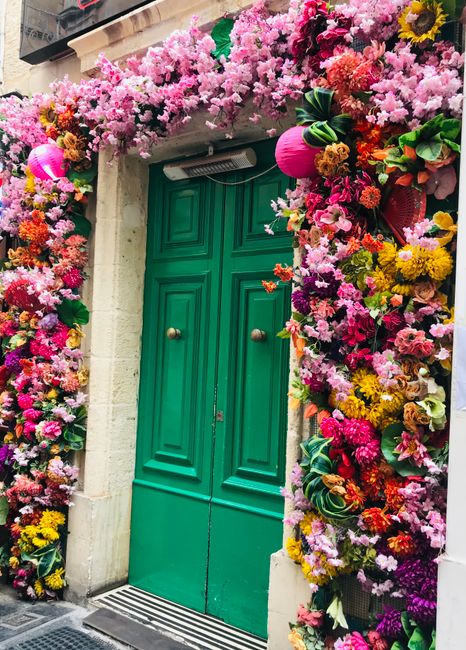
Flower displays are lovely. They soften a street, make a storefront feel cared for, and can draw people in from the pavement. But on a busy London high street, beauty has to coexist with safety, access, and management of public space. That is why permit questions matter so much.
Putney High Street is not a private courtyard. It is a live, shared environment with pedestrians, delivery drivers, cyclists, prams, mobility aids, shopfronts, and the day-to-day rhythm of a working district. A display that is perfectly fine in a photograph can still be a problem if it blocks sightlines, narrows access, or sits where maintenance teams need clear space. Honestly, this is where good intentions trip over real-world use.
Another reason permits matter is consistency. If one business is allowed to place planters, hanging arrangements, or flower stands without review, others will naturally expect the same. Councils and property owners tend to care about that balance. Once a display becomes visible in the public realm, the question is no longer just "Does it look nice?" It becomes "Does it comply, does it stay safe, and who is responsible if something goes wrong?"
There is also a reputational side. A well-managed floral display can make a storefront feel premium and welcoming. A display that appears to be there without permission can have the opposite effect. For businesses in particular, it is usually easier to plan properly from the start than to remove an arrangement later because someone raised a concern. To be fair, nobody wants that awkward conversation in the middle of the day.
Practical takeaway: if your floral display touches public pavement, uses shared frontage, or changes the way people move past your shop, assume permission may be needed and check before installation.
How Permits needed for Putney High Street floral displays Works
The exact route will depend on the nature of the display, but the process generally follows the same logic. First, identify whether the display is entirely within private property or extends into a public or shared area. Second, work out whether the display is temporary or recurring. Third, assess whether it introduces any safety, access, maintenance, or visual-impact concerns.
For many readers, this is the point where the details get a bit fuzzy. That is normal. In practice, floral displays may involve more than one layer of approval. You may need agreement from a landlord, managing agent, building owner, or local authority, depending on where the display is placed. If the arrangement is to occupy the pavement, sit near a frontage, or form part of a promotional installation, the checks become more important.
A key thing to understand is that permits are not always about the flowers themselves. They may be about the structure, the location, the duration, the method of fixing, or the effect on pedestrian movement. A free-standing planter is not the same as a floral arch. A short seasonal window dressing is not the same as a street-facing installation that remains in place for months.
If you are coordinating a business frontage, a wedding arrival point, or a civic-style feature, it helps to think in layers:
- Location: private interior, frontage, pavement edge, or public realm
- Duration: one day, a weekend, a season, or ongoing
- Form: bouquet, planter, stand, arch, garland, or hanging display
- Impact: footfall, sightlines, access, litter, spill risk, or obstruction
- Responsibility: who installs, checks, waters, and removes it
That may sound like admin, and yes, it is. But the admin exists for a reason. A floral display that looks effortless usually took a bit of planning behind the scenes.
Key Benefits and Practical Advantages
Getting the permits needed for Putney High Street floral displays sorted early brings more than legal comfort. It also improves the quality of the display itself. When you know what is allowed, you can design with confidence instead of building around guesswork. That usually leads to a cleaner, more balanced result.
Here are the main benefits:
- Less risk of removal or enforcement action: a permitted display is less likely to be challenged unexpectedly.
- Better public safety: clear access and stable placement reduce the chance of trips, knocks, or congestion.
- Stronger presentation: you can design the arrangement around the real space, not a hopeful assumption.
- Smoother relationships: neighbours, landlords, and local stakeholders are less likely to object.
- Better planning for maintenance: watering, replacement, and cleaning are easier when responsibilities are clear.
- More professional brand image: compliance supports the impression of a well-run business or event.
There is also a subtle commercial advantage. A display that feels thoughtfully approved often looks more credible to passers-by. People may not consciously think, "Ah yes, this florist really understands street permissions." But they do sense when something feels orderly, or not. Small detail. Big effect.
If your floral work is part of a broader seasonal push, it can also complement other services. For example, a business showcasing event florals may also want to direct customers to wedding flowers in Putney SW15 or a broader range such as florist services in Putney SW15. That way, the display does more than decorate the street; it becomes part of a joined-up customer journey.
Who This Is For and When It Makes Sense
This topic is not only for large florists. In fact, a lot of permit questions come from people who are planning something small and temporary. That is where assumptions can be risky. A modest arrangement can still need approval if it sits in the wrong place or introduces a new obstruction.
You are likely to need to think about permits if you are any of the following:
- a florist placing external displays on or near a shopfront
- a cafe, deli, salon, or independent retailer using flowers as frontage styling
- an event organiser planning a floral feature on the street
- a wedding or celebration supplier dressing an entrance on a public-facing route
- a property manager coordinating seasonal decorations
- a business owner using planters or displays to improve kerb appeal
It makes sense to ask permit questions when the display is visible from the street and not fully contained within private space. It also makes sense if the display is intended to stay up beyond a single day, or if it needs fixing, anchoring, freestanding support, or any kind of crowd management around it.
Sometimes people ask, "What if it is only for one afternoon?" Fair question. The answer depends less on the calendar and more on impact. A short display can still affect access during a busy trading period or market-style footfall wave. Conversely, a longer display tucked safely behind the frontage may require less formal oversight. The context matters.
If you are coordinating floral work for a larger customer order, you may already have a good sense of presentation standards from browsing options like all flowers or seasonal pieces such as summer flowers. But once the arrangement moves from product to public display, the rules of the space matter just as much as the flowers themselves.
Step-by-Step Guidance
If you want the shortest honest version, here it is: identify the space, check the owner, confirm the permission route, design within the limits, and keep records. Simple to say. A bit more involved to do well.
- Define exactly where the display will go. Sketch the footprint. Measure it if you can. Note whether it sits inside, in a window, at the threshold, or on shared pavement.
- Work out who controls that space. It may be a landlord, building manager, business owner, or local authority. Sometimes more than one party is involved, which is where confusion starts.
- Assess the display type. Is it a small planter, a stand, a garland, a floral arch, or a larger promotional setup? The larger and more structural it is, the more likely permission will be needed.
- Check for practical risks. Think about wheelchair access, prams, visibility near crossing points, water runoff, tripping hazards, and stability in wind.
- Prepare a simple proposal. Include dimensions, duration, materials, fixing method, maintenance responsibility, and a photo or mock-up if possible.
- Ask for the right approval before installation. Do not treat silence as consent. That route usually ends badly, and a little too dramatically.
- Keep evidence of agreement. Save emails, letters, or notes. If permissions change hands later, you will be glad you did.
- Review after installation. Check whether the display remains safe, tidy, and unobtrusive. Seasonal street conditions change fast.
In practical terms, a good approval process is not just a gatekeeper. It is a design tool. Once you know the boundaries, you can plan a floral display that looks intentional rather than improvised.
Expert Tips for Better Results
If you want a display to be approved more easily, think like the person reviewing it. They are usually looking for clarity, safety, and low maintenance. Beautiful helps, obviously, but clarity gets you much further.
- Keep the footprint modest. A smaller, well-placed display often feels more elegant than a large one squeezed into the wrong spot.
- Use stable containers. Weighted planters or secure bases are generally better than lightweight items that could shift.
- Avoid blocking natural pedestrian lines. If people have to weave around your display, the approval conversation gets harder.
- Make maintenance easy. Displays that can be watered quickly and cleaned without disruption are easier to sign off.
- Choose seasonal varieties wisely. Fresh flowers can look glorious, but they should also be practical for the installation period.
- Document the layout. A one-page visual plan can prevent misunderstandings. Honestly, it saves back-and-forth.
- Plan for weather. A breezy day on a London street can change a display more than you expect.
One useful habit is to walk past the intended spot at different times of day. Morning school-run energy is not the same as early evening browsing, and the light, footfall, and mood shift with it. You will notice different pinch points and sightlines. That little bit of observation can save a lot of redesign later.
If your flowers are part of a wider retail offer, aligning the display with product choices can help. For example, soft tones may suit a luxury or romance-led frontage, while brighter mixes may work better for a cheerful seasonal campaign. A display featuring luxury flowers or a more playful selection such as mixed colours should still be judged against the same permit and space questions. Nice flowers do not cancel out poor placement. Sadly, the pavement is not that forgiving.
Common Mistakes to Avoid
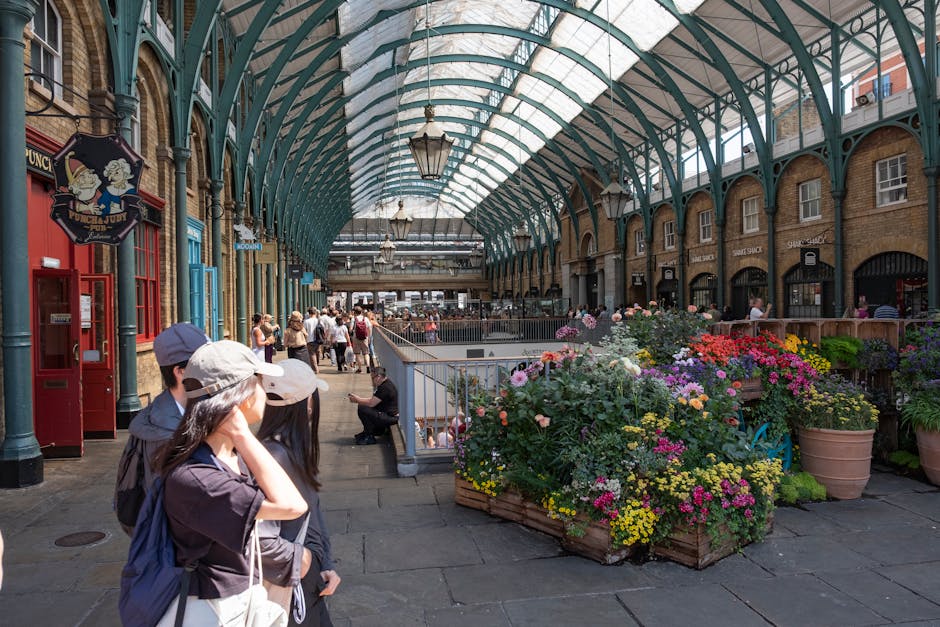
Most problems with floral display permissions are not dramatic. They are usually small oversights that build into bigger issues. A display arrives before approval. A planter is placed a little wider than planned. A seasonal arrangement is left out longer than expected. Then someone notices.
Common mistakes include:
- Assuming a small display needs no permission: size helps, but location matters more.
- Forgetting about pavement width: what feels fine near a wall may be awkward near a busy pinch point.
- Using unstable containers: if wind or passing traffic can move them, that is a problem.
- Not checking with the property owner: public-facing does not always mean freely available.
- Leaving maintenance unclear: a lovely display can become messy very quickly without a plan.
- Ignoring accessibility needs: a display should never make life harder for people using mobility aids or pushing prams.
- Failing to document approval: verbal yeses have a way of becoming fuzzy later.
Another mistake is over-designing the frontage because it looks striking in the studio or shop. What works on a table can be clumsy on a high street. There is a kind of scale shift that happens outdoors. A full arrangement can become oddly dominant once it sits between kerbs, rails, and moving people. That is just the reality of street-facing work.
And yes, there is a temptation to "just put it out and see if anyone complains." Not ideal. Not even a bit.
Tools, Resources and Recommendations
You do not need a huge toolkit to manage floral display permissions well. What you do need is a simple, reliable way to plan, record, and review. In our experience, the best setups are rarely fancy. They are tidy.
- Measuring tape: essential for footprint checks and access widths.
- Phone camera: useful for documenting the site before installation and after any changes.
- Basic site sketch: a quick hand-drawn plan is often enough to start a permission conversation.
- Checklists: helpful for installation, watering, cleaning, and removal.
- Weather awareness: especially important for outdoor or partly sheltered displays.
- Product and care notes: if the display is built from fresh stock, use practical care guidance from pages like flower care to keep things looking fresh for as long as the arrangement is meant to last.
For businesses managing recurring floral work, it can also help to keep internal records of what has worked before. A simple note like "north-facing frontage, wide footfall, avoid tall stems" is surprisingly useful next time. Nothing glamorous, but it saves time. And time, as ever, is a lovely thing to keep hold of.
If the display forms part of a broader retail or hospitality offering, some useful supporting pages may include about us for business credibility, delivery information for logistics planning, and guarantees if you want to understand how product standards are framed. These do not replace local permission checks, but they can help you coordinate the wider customer experience.
Law, Compliance, Standards, or Best Practice
Because floral displays may touch public space, it is wise to treat compliance carefully. The exact legal route can vary based on ownership, location, and whether the display occupies or affects a highway, frontage, or other shared area. That is the point where local rules, property permissions, and practical safety standards all start overlapping a bit.
Without pretending every case is identical, a sensible compliance mindset usually includes the following:
- Access must remain safe and usable. Do not create avoidable obstruction.
- Installations should be stable. Wind, crowd movement, and everyday contact should be considered.
- Responsibilities should be clear. Someone should know who inspects, waters, and removes the display.
- Documentation matters. Keep written approval and a basic record of the arrangement.
- Respect surrounding users. Neighbours, businesses, pedestrians, and disabled access all need to be considered.
Best practice also means avoiding assumptions about "temporary" status. A display that stays up for longer than expected can quietly become a different kind of issue. The safer route is to define the duration up front and review it if plans change. That sounds obvious, but it is one of those things people forget when they are busy and the flowers are arriving by the door.
Where uncertainty exists, ask for clarification before installation rather than after. A short pause at the planning stage is almost always easier than a scramble on the pavement later.
Options, Methods, or Comparison Table
Not every floral display needs the same level of planning. Some are simple and self-contained, while others are more likely to trigger permit checks. The comparison below gives a plain-English view of the most common types.
| Display type | Typical location | Permission likelihood | Main things to check |
|---|---|---|---|
| Window-led floral styling | Inside the premises | Lower | Visibility, fire exits, internal housekeeping |
| Frontage planter | At or near the shop edge | Medium | Footway width, ownership, stability, access |
| Temporary street display | Pavement or public-facing area | Higher | Local approval, safety, duration, maintenance |
| Event floral feature | Outdoor event route or entrance | Higher | Access management, timing, crowd flow, removal plan |
| Large branded installation | Shared or public realm frontage | Highest | Multiple approvals, structural stability, public impact |
The table is not a substitute for checking locally, but it is a good rule-of-thumb guide. In short: the more the display interacts with public movement, the more likely it needs formal sign-off.
Case Study or Real-World Example
Imagine a Putney independent shop preparing a spring frontage refresh. The owner wants a pair of planted arrangements beside the doorway, a small floral panel near the window, and a seasonal welcome sign. At first glance, it feels simple. But once the team measures the frontage, they realise one planter would leave very little room for a person using a pushchair or mobility aid. That changes the plan straight away.
Instead of pushing ahead and hoping for the best, the business revises the layout. The displays are moved further in, the footprint is reduced, and a proposed outdoor element is removed altogether. The final result still looks inviting, still feels seasonal, and no one has to explain why pedestrians are squeezing past at awkward angles. A small win, but a meaningful one.
Now compare that with a second scenario. A florist prepares a weekend event display with flowers arranged at the entrance to a busy premises. It is elegant, photographed well, and then left in place after the event because "it still looks nice." That is usually where problems begin. A display that was acceptable for a few hours can become a nuisance when it lingers. Truth be told, this happens more often than people admit.
The lesson is simple: think about the display lifecycle, not just the install moment. Build the arrangement, the permission, and the removal plan as one package. It keeps things calm, and calm is underrated on a busy high street.
Practical Checklist
Use this checklist before setting up floral displays on or near Putney High Street. If you can tick most of these confidently, you are in a much better place.
- Have I confirmed exactly where the display will sit?
- Do I know who controls or owns that space?
- Is any part of the display touching public pavement or shared frontage?
- Have I checked whether approval is needed from the property owner or local authority?
- Have I measured the space and left enough room for pedestrians and accessibility needs?
- Is the display stable enough for everyday use and weather exposure?
- Do I have a simple plan for watering, cleaning, and maintenance?
- Have I documented the approval in writing?
- Do I know when the display should be removed or reviewed?
- Have I considered sightlines, nearby entrances, and emergency access?
Quick sanity check: if you would feel nervous explaining the display to a neighbour, landlord, or inspector, it probably needs another look.
Conclusion
Permits needed for Putney High Street floral displays are not just a box-ticking exercise. They shape whether a display is safe, sensible, and genuinely welcome in the space it occupies. A well-planned arrangement can lift a street, support a brand, and make a business feel more inviting. A poorly planned one can create stress very quickly.
The best approach is to start with the space, not the flowers. Check the boundaries, get the right approvals, design for access, and keep your records in order. That way, the display can do what it is meant to do: brighten the street without causing a headache for anyone. And really, that is the sweet spot.
If you are weighing up a floral display for a frontage, event, or shop opening, take the time to map out permissions early and build the arrangement around the practical realities of Putney High Street. It usually leads to a better-looking result anyway.
Get a free quote today and see how much you can save.
When the flowers are right and the permissions are right, the whole street feels a little more alive. That is worth doing properly.
Frequently Asked Questions
Do I always need a permit for floral displays on Putney High Street?
Not always. If the flowers are entirely inside private premises, you may not need a permit. If they touch public pavement, shared frontage, or any space that affects pedestrian movement, permission is much more likely to be needed.
Who usually gives permission for a street-facing floral display?
It depends on the location. Permission may come from a property owner, landlord, managing agent, or the relevant local authority. In some cases, more than one approval is needed, especially if the display affects shared or public space.
Are small planters outside a shop treated differently from large installations?
Yes, usually. Smaller displays are often easier to approve, but size is only part of the picture. A small planter in the wrong place can still cause obstruction, so the position and impact matter as much as the scale.
How far in advance should I check permit requirements?
As early as possible. A simple display may need only a quick check, but anything more involved should be reviewed well before installation. Leaving it until the last minute can limit your options and make the final design harder to approve.
What information helps speed up approval?
A clear site plan, photos, dimensions, duration, and a short description of how the display will be maintained. Reviewers usually want to understand the footprint, the materials, and whether the arrangement affects access or safety.
Can a floral display block part of the pavement if it looks attractive?
No, attractiveness alone does not solve access issues. A display should not narrow the footway or make movement awkward for pedestrians, prams, or mobility aid users. Good design and good access need to work together.
What happens if I install a display without permission?
The most common risk is being asked to remove it. There may also be disputes with property owners or concerns raised about obstruction or safety. It is usually much easier to get permission first than to deal with a complaint later.
Do temporary floral displays count the same as permanent ones?
Not exactly, but temporary displays can still need approval. A one-day installation may be viewed differently from a season-long arrangement, yet the same questions about access, stability, and responsibility still apply.
Can I use flowers to make my Putney shopfront look more premium without triggering permit issues?
Yes, often you can, as long as the display stays within the allowed space and does not create safety or access problems. Window styling and internal frontage arrangements are usually simpler than anything that extends into public space.
Are there best-practice rules for keeping floral displays compliant?
Yes. Keep the footprint modest, avoid blocking movement, use stable containers, maintain the display properly, and keep written approval on file. Regular review matters too, especially if the display stays in place for more than a short period.
What is the safest next step if I am unsure?
Measure the space, identify who controls it, and ask for clarification before installation. A short confirmation step can prevent a lot of trouble. If you are unsure, pause and check. That is usually the smartest move.